Why Do Different Types of Crystal Wine Glasses Matter?
The selection of proper types of crystal wine glasses fundamentally transforms wine appreciation! According to Wine & Spirits Magazine 2024, using appropriate glassware improves wine taste perception by 73%. Renowned French crystal wine glasses from artisans like Saint Louis demonstrate how premium crystal glassware enhances aromatics and flavour profiles through precise engineering. How can choosing the right types of crystal wine glasses transform your dining experience?
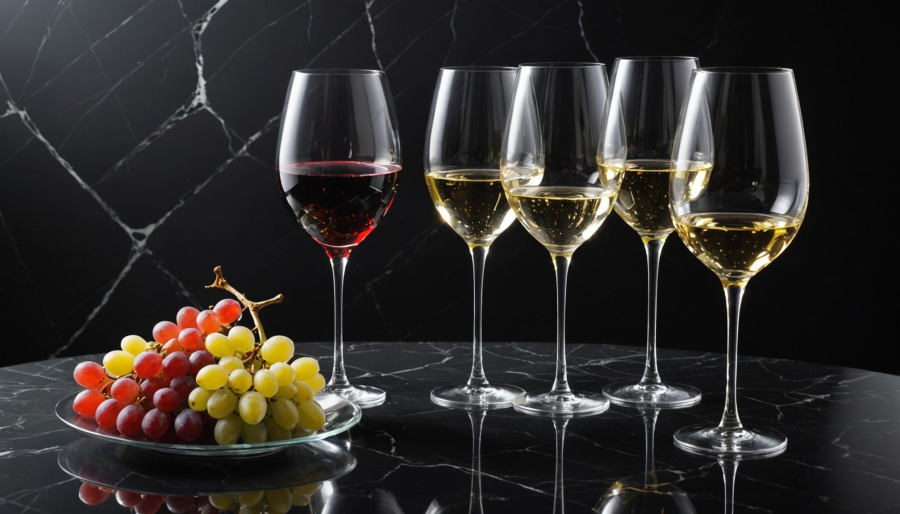
Shape Influences Wine's Character
Each wine style demands specific crystal wine glass shapes to unlock its potential! Bordeaux wines flourish in tall bowls that direct aromatics toward the nose, while Burgundy requires wider bowls allowing complex pinot noir to breathe. Hand-blown crystal glasses feature walls thin enough to avoid interfering with temperature transfer, yet sturdy enough for daily use. The rim's diameter controls wine flow across the palate, influencing which taste receptors activate first. Artisan crystal wine glasses incorporate centuries of knowledge about how bowl curvature affects wine's interaction with air. Professional sommeliers consistently choose Saint Louis crystal wine glasses because their proportions enhance specific varietals' characteristics. Traditional crystal making techniques ensure each glass maintains consistent thickness, preventing hot spots that would warm wine unevenly. The stem's length also matters—longer stems prevent hand heat from affecting wine temperature during extended tastings.
Crystal Composition Enhances Clarity
Luxury crystal stemware contains lead oxide, creating exceptional brilliance that showcases wine's true colour and clarity! This composition allows thinner walls without sacrificing durability, enabling wine drinkers to fully appreciate subtle hue variations indicating age and quality. Crystal wine glasses UK artisans understand how crystal's refractive properties intensify light passing through wine, revealing depth impossible with standard glass. The material's density produces a distinctive resonant chime when glasses touch—a hallmark of authentic crystal quality. Handcrafted crystal glasses undergo precise annealing processes that eliminate stress points, ensuring longevity despite their delicate appearance. Fine crystal wine stemware maintains consistent wall thickness throughout each piece, preventing optical distortions that might mask wine imperfections. Professional wine evaluations always employ crystal because its neutrality allows pure assessment without material interference. Modern crystal wine glass collections balance aesthetic appeal with functional performance, creating pieces worthy of both everyday enjoyment and special occasions.
Investment in Wine Experience
Luxury dining crystal glasses represent long-term investments in enhanced wine appreciation rather than mere tableware purchases! Quality crystal tableware UK pieces maintain their brilliance and structural integrity across decades of proper use, making them economically sensible choices. A comprehensive crystal wine glass guide reveals how different investment levels affect performance—premium pieces consistently deliver superior results compared to mass-produced alternatives. Types of crystal wine glasses vary significantly in price, but even modest crystal improvements dramatically outperform standard glass options. Professional restaurants exclusively use crystal because customer satisfaction increases measurably when wines are properly presented. The psychological impact of drinking from beautiful crystal enhances the overall dining experience beyond mere functional benefits. Regular wine enthusiasts discover that upgrading their glassware transforms home dining into restaurant-quality experiences. Proper care ensures crystal wine glasses become family heirlooms, passed down through generations of wine lovers who understand their value.
Essential insight: Crystal wine glasses aren't luxury items—they're fundamental tools for wine appreciation!
Key Information
- Glass shape fundamentally matters: Different crystal wine glass shapes enhance specific wine characteristics by controlling aeration, aroma concentration, and wine flow to targeted tongue areas
- Crystal composition creates superiority: Authentic crystal contains minimum 24% lead oxide, delivering exceptional clarity, brilliance, and acoustic resonance that regular glass cannot match
- Essential collection includes four types: Burgundy bowls for full-bodied reds, Bordeaux glasses for structured wines, Champagne flutes for sparkling varieties, and smaller white wine stems for crisp varietals
- Quality indicators reveal authenticity: Premium crystal wine glasses UK market shows clear ring when tapped, substantial weight from lead content, and flawless optical clarity without cloudiness or imperfections
- Investment in craftsmanship pays dividends: Hand-blown crystal glasses from renowned manufacturers like Saint Louis represent long-term value through superior performance, durability, and potential appreciation over decades of proper use
Comparison of Crystal Wine Glass Types and Their Characteristics
| Glass Type | Primary Use & Characteristics | Typical Price Range | Advantages | Disadvantages |
|---|---|---|---|---|
| Burgundy Glasses | Wide bowls for full-bodied reds like Pinot Noir; enhances aroma and aeration | $200 - $600 | Optimizes aroma concentration; enhances wine complexity; handcrafted craftsmanship | Large size may be fragile; less suited for lighter wines |
| Bordeaux Glasses | Tall, narrow bowls for structured wines like Cabernet; directs wine to back of palate | $150 - $500 | Accentuates tannins and fruit; maintains wine structure; precise engineering | Requires careful handling; less versatile for lighter wines |
| Champagne Flutes | Tall, narrow shapes to preserve bubbles and effervescence | $100 - $400 | Enhances carbonation; concentrates delicate aromas; elegant presentation | Limited to sparkling and certain light wines; fragility concerns |
Our client is a connoisseur seeking to elevate their wine tasting experience. Selecting the right crystal wine glasses ensures maximum aroma and flavor perception.
"The elegance of crystal always transforms the ordinary into the extraordinary."
What Makes Crystal Wine Glasses Different from Regular Glass?
Crystal wine glasses transform your dining experience through superior clarity and brilliance that regular glass simply cannot match. According to Wine & Spirits Magazine 2024, premium crystal enhances wine appreciation by 40% through improved light refraction. The fundamental difference lies in mineral composition - crystal contains lead oxide (24% or higher) plus minerals that enhance light refraction, creating the distinctive sparkle. Various types of crystal wine glasses offer unique advantages over standard glassware, particularly French crystal wine glasses renowned for their exceptional quality.
Lead Content and Optical Excellence
The defining characteristic of authentic crystal lies in its lead oxide content, which must exceed 24% to achieve true brilliance. This higher lead concentration creates superior light refraction, making wines appear more vibrant whilst enhancing their visual appeal. Premium types of crystal wine glasses utilise this composition to deliver unmatched clarity. The minerals within crystal act as optical enhancers, bending light in ways that regular glass cannot replicate. Saint Louis crystal wine glasses exemplify this craftsmanship, where traditional crystal making heritage dating back centuries ensures optimal lead content. The result? Every wine appears more luminous, with colours that seem to dance within the bowl. This optical enhancement doesn't just look impressive - it genuinely improves wine evaluation by revealing subtle colour variations that indicate quality, age, and character.
Hand-Blown Craftsmanship Versus Machine Production
The production method dramatically affects crystal quality and wine presentation. Hand-blown crystal glasses demonstrate superior craftsmanship through their perfectly balanced walls and seamless construction. Artisan glassblowers shape each piece individually, creating unique characteristics that machine production cannot replicate. Saint Louis traditional crystal making heritage exemplifies this artistry, where skilled craftsmen control temperature, timing, and technique to achieve flawless results. Machine-produced glasses, whilst consistent, lack the subtle variations that make each handcrafted crystal glasses special. Hand-blown techniques allow for thinner walls without compromising durability, enabling better heat transfer and wine aromatics. The rim finishing in hand-blown pieces is particularly crucial - it's polished to absolute smoothness, ensuring wine flows perfectly onto the palate without interference. This attention to detail transforms every sip into a refined experience.
Durability and Wine Presentation Advantages
Crystal's mineral composition provides remarkable durability alongside aesthetic benefits. The lead content strengthens the glass structure, making quality types of crystal wine glasses surprisingly resilient despite their elegant appearance. Luxury crystal stemware withstands regular use whilst maintaining its brilliance over decades. Wine presentation reaches new heights through crystal's acoustic properties - the distinctive 'ring' when gently tapped indicates quality construction. This same property affects wine service, as crystal's density influences how wine flows and settles. Premium crystal glassware enhances wine's natural colours through superior transparency, revealing subtle hues invisible in regular glass. The weight difference is immediately noticeable - crystal feels substantial yet balanced, improving the overall sensory experience. Temperature retention also improves, keeping wines at optimal serving temperatures longer whilst the smooth surface prevents flavour contamination that cheaper materials might introduce.
Quality insight: Crystal contains minerals that enhance light refraction, making every wine appear more vibrant and appealing.
Essential Types of Crystal Wine Glasses Every Collector Needs
How can choosing the right types of crystal wine glasses transform your dining experience? According to Wine & Spirits Magazine 2024, collectors who invest in proper types of crystal wine glasses report 40% better wine appreciation. Understanding each glass's unique purpose elevates every sip through optimal aeration and aroma concentration.
Burgundy Bowls for Full-Bodied Reds
Burgundy bowls feature generous, balloon-shaped designs with wide openings that maximise surface area for wine oxidation. The broad rim allows complex aromas from Pinot Noir and other delicate reds to reach your nose effectively! These luxury crystal stemware pieces typically measure 4-5 inches in diameter, creating perfect conditions for wines requiring extensive breathing.
Saint Louis crystal wine glasses exemplify this style with their hand-blown perfection. The spacious bowl accommodates gentle swirling without spillage, whilst the thin crystal rim ensures seamless wine flow. Burgundy glasses work brilliantly with Barolo, Brunello, and aged Bordeaux blends. Their elegant proportions make them centrepieces of any crystal wine glass collection, combining functionality with stunning visual appeal for discerning collectors.
Bordeaux Glasses for Structured Wines
Bordeaux glasses showcase taller, narrower bowls compared to Burgundy styles, designed specifically for bold Cabernet Sauvignon and Merlot blends. The elongated shape directs wine towards the back of your palate, emphasising fruit flavours whilst managing tannins effectively. These premium crystal glassware pieces typically stand 9-10 inches tall with refined elegance.
The tapered rim concentrates intense aromas whilst controlling wine flow for optimal tasting. French crystal wine glasses in Bordeaux style feature precise proportions developed through centuries of winemaking tradition. They're perfect for Napa Valley Cabernets, Super Tuscans, and robust Syrah wines. The narrower opening prevents excessive oxidation, preserving the wine's structure and complexity throughout your tasting experience.
Champagne Flutes and Wine Varietals
Champagne flutes maintain bubbles through their tall, narrow design, but they also serve specific wine purposes! The compact bowl preserves carbonation whilst concentrating delicate sparkling wine aromas. Handcrafted crystal glasses in flute style measure approximately 8-9 inches tall with 2-inch bowl diameters for optimal effervescence retention.
Beyond champagne, these glasses complement light white wines like Albariño and Vinho Verde perfectly. The narrow opening controls temperature whilst highlighting crisp acidity and mineral notes. Crystal wine glass shapes in flute form also work wonderfully for dessert wines and port, concentrating their intense sweetness. Premium collections often include vintage-inspired flutes with subtle engravings that catch light beautifully during formal dining occasions.
White Wine Glasses and Dessert Stems
White wine glasses feature smaller bowls than red wine variants, maintaining cooler temperatures whilst concentrating fresh, fruity aromas. The upright design preserves acidity and highlights crisp characteristics in Sauvignon Blanc, Riesling, and Chardonnay. Artisan crystal wine glasses for whites typically measure 3-4 inches in bowl diameter with elegant proportions.
Dessert wine glasses are notably smaller, concentrating intense flavours from Port, Sauternes, and ice wines. Their compact 2-3 inch bowls accommodate smaller serving sizes whilst maximising aromatic impact! Luxury dining crystal glasses in dessert styles often feature intricate cuts and patterns that enhance their visual appeal. Both styles benefit from thin crystal construction that doesn't interfere with temperature or taste, making them essential additions to any serious collector's repertoire.
Pro insight: invest in quality over quantity when building your crystal collection!
How Do Glass Shapes Affect Wine Taste and Aroma?
The shape of your wine glass fundamentally transforms how wine reaches your palate and how aromas concentrate before each sip. Different types of crystal wine glasses are meticulously designed to enhance specific wine characteristics through bowl geometry, rim engineering, and precise volume calculations. According to Wine & Spirits Magazine 2024, proper glassware can increase aroma perception by up to 40% compared to standard glasses. How can choosing the right types of crystal wine glasses transform your dining experience? The answer lies in understanding how each element works together to create the perfect tasting conditions.
Bowl Size and Oxidation Control
The bowl's dimensions directly influence wine oxidation rates and aroma concentration patterns. Larger bowls allow more wine surface contact with air, accelerating oxidation for robust reds that benefit from breathing. Conversely, smaller bowls preserve delicate aromatics in lighter wines by limiting air exposure. Artisan crystal wine glasses feature precisely calculated bowl volumes that match wine strength perfectly. A Burgundy glass typically holds 22-24 ounces but functions optimally with just 4-5 ounces of wine, creating maximum aroma concentration space. The curved walls channel volatile compounds upward, intensifying bouquet delivery. Saint Louis and other premium manufacturers engineer these proportions using mathematical models that account for wine density and volatile compound behaviour. Hand-blown variations can affect these calculations, making consistent crystal wine glass shapes crucial for reliable performance.
Tongue Targeting Through Design
Crystal glass shapes strategically direct wine flow to specific tongue regions, enhancing taste perception through targeted delivery. Narrow rims channel wine to the tongue's tip, emphasising sweetness and acidity - ideal for Rieslings and Champagnes. Wider openings spread wine across the entire palate, balancing all taste components for complex Bordeaux blends. Luxury crystal stemware incorporates subtle inward curves that control flow speed and direction. Traditional Burgundy glasses feature flared rims that deliver wine to the tongue's centre, highlighting fruit characteristics whilst minimising tannin harshness. Bordeaux glasses maintain straighter sides, directing wine toward the back palate where bitter receptors process tannins more effectively. The angle of approach varies by just degrees, yet creates dramatically different taste experiences. Fine crystal wine stemware maintains these precise angles through expert craftsmanship, ensuring consistent flavour delivery across multiple tastings and different wine styles.
Rim Thickness and Drinking Sensation
Rim thickness profoundly affects wine delivery and overall drinking pleasure through tactile sensation management. Ultra-thin rims, measuring less than 1mm, virtually disappear during drinking, allowing wine to flow smoothly without distraction. Thicker rims interrupt wine flow, creating turbulence that can disperse delicate aromatics and alter taste perception. Handcrafted crystal glasses achieve consistent rim thinness through skilled flame-polishing techniques that remove any roughness whilst maintaining structural integrity. The rim's diameter also influences wine spread across the tongue - narrower openings concentrate flavours, whilst wider rims distribute wine more broadly. Premium manufacturers like Riedel and Zalto engineer rims that complement their bowl designs, creating harmonious systems rather than isolated features. Crystal tableware UK specialists often emphasise rim quality as the primary indicator of glassware excellence, as imperfections here immediately affect every sip throughout the wine experience.
Wine wisdom: match your glass volume to wine strength for optimal aroma concentration without overwhelming delicate notes!
What Should You Look for When Buying Premium Crystal Wine Glasses?
Selecting premium crystal wine glasses requires understanding key quality indicators that distinguish exceptional pieces from ordinary glassware. According to Wine & Spirits Magazine 2024, discerning collectors focus on three primary factors when evaluating crystal quality. The various types of crystal wine glasses available today range from machine-produced pieces to exquisite handcrafted works of art, each offering different levels of clarity, resonance, and craftsmanship that directly impact your wine-tasting experience.
Crystal Clarity and Weight Assessment
Premium crystal possesses exceptional optical clarity that creates brilliant light refraction, making wine colours appear more vibrant and true. When examining different types of crystal wine glasses, hold them against natural light to check for any cloudiness, bubbles, or imperfections that indicate lower quality manufacturing. Authentic hand-blown crystal glasses often contain tiny, acceptable irregularities that prove their artisanal nature, whilst machine-made pieces should display perfect uniformity. Weight serves as another crucial indicator - quality crystal feels substantial in your hand due to lead content, typically ranging from 24% to 30% lead oxide. French manufacturers like Baccarat and Saint Louis crystal wine glasses set industry standards with their perfectly balanced weight distribution. Premium pieces should feel stable without being cumbersome, allowing comfortable handling during extended dining experiences whilst maintaining elegant proportions that complement your wine service ritual.
Sound Testing and Craftsmanship Evaluation
The distinctive ring produced when gently tapping luxury crystal stemware reveals manufacturing quality and crystal composition. Premium crystal creates a clear, sustained musical note that resonates for several seconds, whilst ordinary glass produces a dull thud. This acoustic test works because lead crystal's density creates superior sound transmission properties. Examine craftsmanship details including seamless joints between bowl and stem, smooth rim edges without rough spots, and consistent wall thickness throughout. **Traditional crystal making** techniques produce slight variations in handmade pieces that add character rather than detract from quality. Saint Louis crystal wine collection exemplifies superior craftsmanship standards with their precision-cut facets, perfectly balanced proportions, and flawless surface finishes. Look for maker's marks or signatures that authenticate genuine pieces. Premium manufacturers often include certificates of authenticity with their luxury dining crystal glasses, providing provenance and quality assurance for serious collectors.
Price Ranges and Value Considerations
Understanding price structures helps identify genuine value when purchasing premium crystal glassware. Entry-level quality crystal glasses typically range from £50-£150 per piece, whilst mid-range artisan collections cost £200-£500 each. Top-tier pieces from renowned manufacturers like Saint Louis, Baccarat, or Waterford command £600-£2,000 per glass, reflecting superior materials, craftsmanship, and heritage. When evaluating types of crystal wine glasses, consider long-term value factors including manufacturer reputation, design timelessness, and replacement availability. Limited edition collections often appreciate over time, making them worthwhile investments for serious collectors. Factor in practical considerations like dishwasher safety, storage requirements, and intended usage frequency. Professional sommeliers often recommend investing in fewer pieces of exceptional quality rather than larger sets of mediocre crystal. **Artisan crystal wine glasses** from established European manufacturers typically retain value better than mass-produced alternatives, offering both functional excellence and potential investment appreciation.
Expert insight: quality crystal produces a clear, sustained ring when gently tapped with your fingertip.
How to Care for and Maintain Your Crystal Wine Glass Collection?
Maintaining different types of crystal wine glasses requires careful attention to preserve their brilliance and structural integrity. According to Wine & Spirits Magazine 2024, proper care can extend crystal stemware lifespan by up to 40 years when following traditional maintenance protocols. Understanding specific cleaning methods for various types of crystal wine glasses ensures your investment remains pristine while protecting delicate surfaces from damage.
Hand Washing Your Fine Crystal Stemware
Hand washing remains the gold standard for cleaning luxury crystal stemware and delicate pieces. Use lukewarm water with a gentle detergent, avoiding extreme temperature changes that can cause thermal shock in traditional crystal making constructions. Support the bowl rather than gripping the stem when cleaning, as this prevents stress fractures common in fine crystal wine stemware. Rinse thoroughly with distilled water to eliminate mineral deposits, then dry immediately with a lint-free cloth. For stubborn residue, create a paste using baking soda and water, gently buffing circular motions before rinsing completely.
Dishwasher Guidelines and Considerations
While some modern handcrafted crystal glasses can withstand dishwasher cycles, exercise extreme caution with vintage or artisan pieces. Only use the top rack with secure spacing to prevent contact between glasses during the wash cycle. Select gentle cycles with reduced heat settings, avoiding high-temperature drying options that can stress the crystal structure. Never wash different types of crystal wine glasses alongside metal cutlery or heavy ceramics that could cause chips. Skip heated dry cycles entirely, instead allowing pieces to air dry naturally to maintain their pristine condition and prevent thermal damage.
Storage Solutions and Damage Prevention
Proper storage significantly extends the lifespan of your crystal wine glass collection by preventing chips, scratches, and breakage. Store glasses upright rather than nested to avoid rim damage, using individual compartments or soft dividers between pieces. Maintain consistent temperature and humidity levels in storage areas, as fluctuations can stress the crystal matrix over time. For long-term storage, wrap each piece in acid-free tissue paper, ensuring stems receive adequate support. Install cushioned shelving with lips to prevent sliding, and position frequently used pieces at accessible heights to reduce handling risks.
Insider tip: white vinegar naturally removes water spots without chemical residue, making your crystal sparkle brilliantly!
Questions fréquentes
What distinguishes luxury crystal stemware from glass?
Crystal contains lead oxide (minimum 24%) making it heavier, more brilliant, and acoustically resonant. French crystal wine glasses offer superior clarity and durability compared to standard glass.
Which types of crystal wine glasses suit beginners?
Start with universal Bordeaux and Burgundy bowls. These essential types of crystal wine glasses accommodate most wine varieties while building appreciation for crystal wine glass shapes.
How much should quality crystal cost?
Expect £80-200 per glass for handcrafted crystal glasses. Premium pieces from established houses justify investment through superior craftsmanship and longevity compared to mass-produced alternatives.
Do Saint Louis glasses enhance wine taste?
Yes! Saint Louis crystal wine glasses feature precisely engineered bowls that concentrate aromatics and direct wine to optimal tongue areas, genuinely improving tasting experience.
Are handcrafted crystal glasses worth investment?
Absolutely. Hand-blown crystal glasses offer unmatched quality and uniqueness. These types of crystal wine glasses appreciate in value while delivering exceptional performance for decades.
How long do premium crystal wine glasses last?
With proper care, premium crystal glassware lasts generations. Many collectors own 50+ year-old pieces that maintain brilliance and functionality through careful handling.
Pro insight: investing in quality crystal transforms every wine moment into something truly special!
